


- Your cart is empty Browse Shop
Nov 07, 2025
No Comment
320 Views
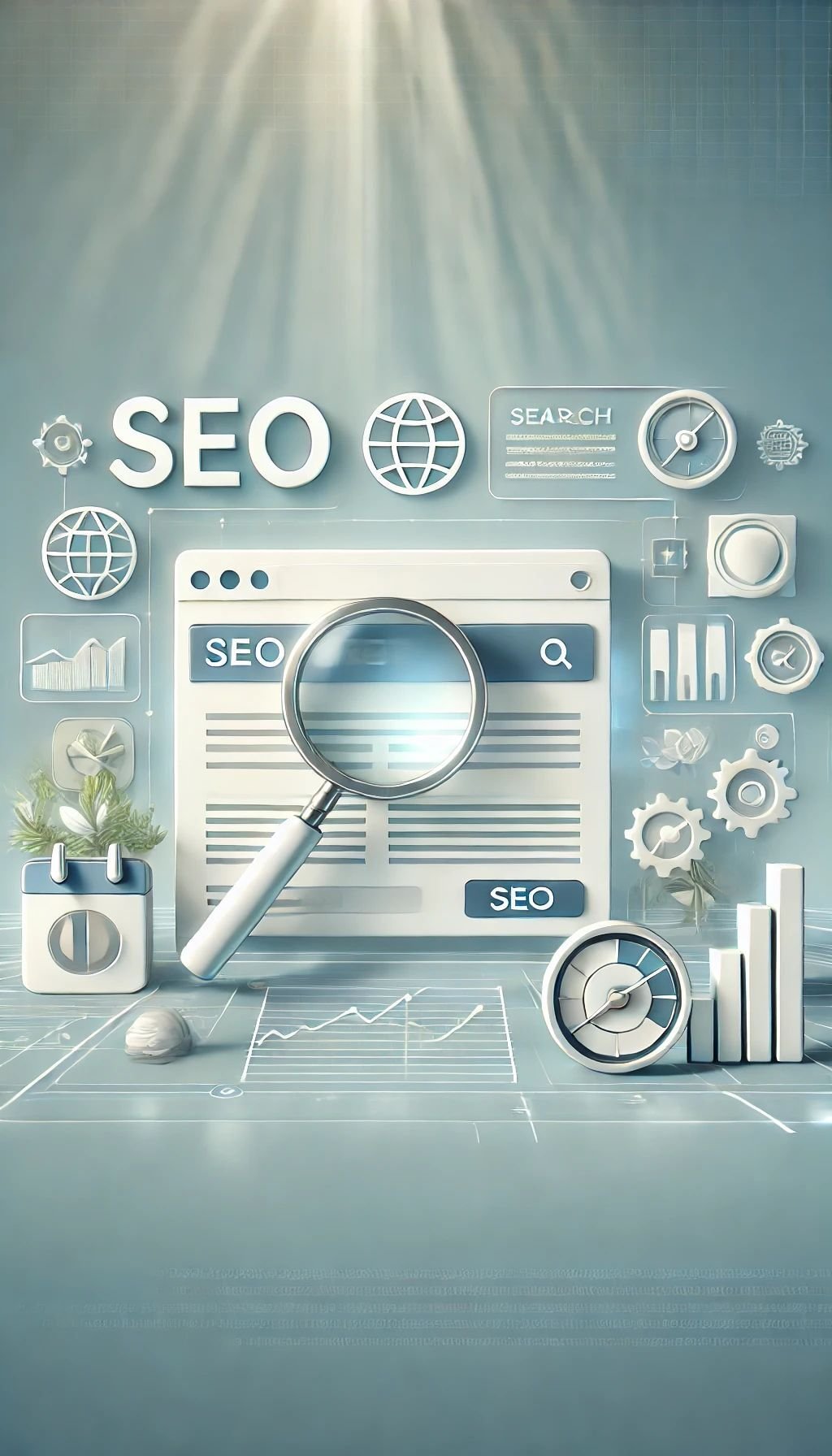
Local SEO in 2025 for Bangalore Businesses: The No-BS:expressionless Guide
Let’s be real, if your business isn’t showing up when someone in Bangalore types “digital marketing agency near me,” you basically don’t exist to them.Every search is a person with a problem, a wallet and approximately 3 seconds of patience. Local SEO is how you become the answer before your competitor does.This isn’t about gaming algorithms. It’s about being so genuinely visible, relevant and trustworthy that Google has no choice but to put you first.around the globe. Whether you’re a healthcare professional, policymaker, researcher, or simply someone passionate about improving health outcomes worldwide, this podcast is for you. Every episode dives deep into topics such as:
The Landscape Has Changed (and It’s Not Slowing Down)
In 2025, search isn’t just a blue-link game anymore. AI-driven results, voice queries, zero-click answers and hyper-local intent have completely rewritten the rulebook.The old “post a blog and pray” strategy? Dead.What wins now: real-time activity + technical precision + authentic authority – all working together.
Here’s the full breakdown.
The 20 Pillars of Local SEO Dominance
- AI-Algorithmic Alignment & Freshness Signals
Google’s AI treats an inactive profile the same way you’d treat a restaurant with cobwebs on the menu – skip. Posting updates, photos and news 3–4 times a week signals to the algorithm that your business is alive, thriving and relevant.
Consistency isn’t just good practice; it’s your ticket to staying visible.
- Hyper-Local Geospatial & Neighbourhood Targeting
Nobody searches “marketing agency India.” They search “marketing agency near Koramangala” or “agency near Indiranagar.” Instead of trying to own the whole city at once, zero in on the specific neighbourhoods, landmarks and localities around your office. Mention them naturally on your site. This tells Google exactly where you are and makes nearby customers feel like you’re one of them.
- Conversational Linguistic & NLP Optimization
People don’t type to voice assistants, they talk.
“Hey Siri, who’s the best marketing agency near me?” is a completely different format than “marketing agency Bangalore.” Your content needs to answer both. Writing in a natural, conversational tone makes you the answer when someone asks a question out loud and that’s an increasingly massive chunk of search traffic.
- Structural Data & JSON-LD Schema Architecture
Think of Schema markup as a cheat sheet you hand directly to Google. It tells the AI your exact address, working hours, services and more removing any guesswork. Without it, the algorithm has to infer your details and often gets it wrong. With it, you’re a verified, technically credible business that search engines are confident recommending.
- Visual Asset Authority & Computer Vision Optimization
Google can now literally see your photos and videos. Generic stock images? They register as low-trust noise. Real videos of your team, your workspace and your work in action? That’s what builds credibility with both the algorithm and the potential client watching. “Proof of Life” content is no longer optional; it’s a ranking signal.
- Sentiment Analysis & Reputation Management
Your star rating is just the headline. Google reads the actual words in your reviews. When clients mention “SEO strategy,” “responsive team,” or “delivered results,” the AI categorizes your business more accurately and ranks you for the right searches. The play here: help happy clients leave specific, detailed reviews. Quality of language matters as much as quantity of stars.
- Technical Performance & Core Web Vitals
A slow website in 2025 is like a broken front door – people leave before they even step in. If your site takes more than 2 seconds to load on mobile, you’re losing leads in real-time. Speed isn’t just a UX thing; it’s a direct ranking factor. Fast sites look premium, reduce bounce rates and make Google significantly more likely to show you first.
- Zero-Click Conversion & Lead Friction Reduction
Most people don’t want to dig through your website to find your phone number. They want to tap once and reach you. Zero-click optimization means setting up your Google profile so a potential client can call, message or book directly from the search page – no extra steps, no dropped leads.
Fewer clicks = more conversions. Simple math.
- Cross-Platform Data Synchronicity (NAP)
Your Name, Address and Phone number need to be identical everywhere – Google, Facebook, LinkedIn, JustDial, Sulekha, everywhere. One listing says “St.” and another says “Street”? That tiny inconsistency chips away at your trust score. Consistent NAP data across the internet tells search engines your business is legitimate, stable and worth recommending.
- Institutional Authority & E-E-A-T Validation
Google asks a simple question about every business it ranks: “Can we trust this?” It looks for trust signals – press mentions, industry certifications, community recognition, client case studies. The more you can demonstrate real-world expertise and credibility, the more the algorithm treats you as the go-to authority in your category.
- Algorithmic Predictive Modelling & Trend Alignment
Search engines are increasingly predictive. By tracking what topics and services are gaining traction in your industry, you can create content before the demand peaks and be ranking by the time everyone else realizes it’s a trend. First-mover advantage in search is real and it compounds over time.
- Multi-Modal Search & Visual Discovery
Google Lens lets people search with their camera. If someone spots your signage, your logo on a brochure, or even a related visual, your business should be what comes up. Optimizing your images, brand assets and visual identity for AI recognition bridges your physical presence with your digital discoverability. It’s the kind of edge most businesses completely ignore.
- API-Driven Local Data Syndication
Manually updating your info on 30+ directories is a nightmare and it never stays consistent. Automated data syndication pushes your correct business details across every major map, app and platform simultaneously. When your hours change, every platform knows instantly. No confused customers, no lost leads, no “this says they’re closed but they’re actually open” moments.
- User Intent Mapping & Journey Personalization
Not every visitor is ready to hire you right now. Some want tips. Some are comparing options. Some are ready to sign a contract today. Your website should serve all three guiding each visitor toward the next logical step in their journey. When people find exactly what they’re looking for without digging, they stay longer, engage more and Google notices both.
- Hyper-Secure Trust Signals & Data Protection
Security isn’t just an IT concern anymore, it’s a public-facing trust signal. An insecure site gets flagged by Google with warnings that actively drive users away. HTTPS, data encryption and clean security architecture tell both the algorithm and your visitors: “This is a professional operation.” In 2025, it’s table stakes for ranking at the top.
- Behavioral Signal Integration & User Engagement
Google watches how users behave on your site, how long they stay, what they click, whether they bounce immediately. High engagement = high relevance signal. By structuring your site so visitors find what they need fast, you keep those behavioral signals strong. A site that solves problems quickly is one Google keeps recommending.
- Cross-Platform Trust Graph Synchronization
Your authority isn’t just on your website, it’s the sum of your presence across LinkedIn, Instagram, industry directories, news mentions and more. When an AI sees the same high-quality, consistent information about you across multiple credible sources, it validates you as a legitimate leader. One strong platform is good. A synchronized ecosystem is bulletproof.
- Mobile-First Interactivity & Rapid Lead Capture
The majority of local searches happen on phones often while people are walking, commuting or mid-conversation. Your site needs to be built for thumbs, not cursors. Click-to-call buttons in the right places, one-tap scheduling, fast-loading pages – these aren’t nice-to-haves. They’re the difference between a lead captured and a lead lost to whoever loads faster.
- Dynamic Metadata & Real-Time Search Relevance
Static meta tags set once and forgotten are a 2019 strategy. In 2025, your metadata needs to stay aligned with how people are currently searching. Dynamic, regularly updated title tags and descriptions that mirror real-time language trends improve your click-through rate which tells Google your result is the most relevant answer, creating a positive ranking loop.
- Institutional Credibility & Verified Social Proof
In a world drowning in AI-generated content, real is the differentiator. Professional licenses, verified case studies, community involvement, client testimonials with specific outcomes, these are the signals that separate genuine expertise from noise. They satisfy Google’s E-E-A-T framework and they build the kind of emotional trust that turns a searcher into a client.

Diverse range of guests:
Healthcare Providers: From doctors and nurses in rural clinics to administrators of large international hospitals, we bring on-the-ground perspectives about the healthcare.
Global Health Experts: Academics, researchers, and professionals with years of experience in public health share the data, findings, and trends shaping.
Innovators and Entrepreneurs: Discover how tech startups, medical companies, and digital health pioneers are changing the way healthcare is delivered across the globe.
FAQs:
Our hosts bring decades of experience in global health, working on the frontlines of healthcare delivery, policy-making, and innovation. They’re passionate about creating impactful conversations that spark new ideas and inspire action. From improving infrastructure in low-resource settings to building stronger healthcare workforces, we delve into the systemic issues and creative solutions that can improve global health outcomes.
How long until I see results?
Will I show up in AI Overviews and Gemini results?
Why is my Google Business Profile more important than my website now?
Do I really need video on my listing?
How do you capture "near me" searches if I'm in a specific area of Bangalore?
Is website speed still that critical?
What's the difference between keywords and search intent?
Can negative reviews tank my ranking?
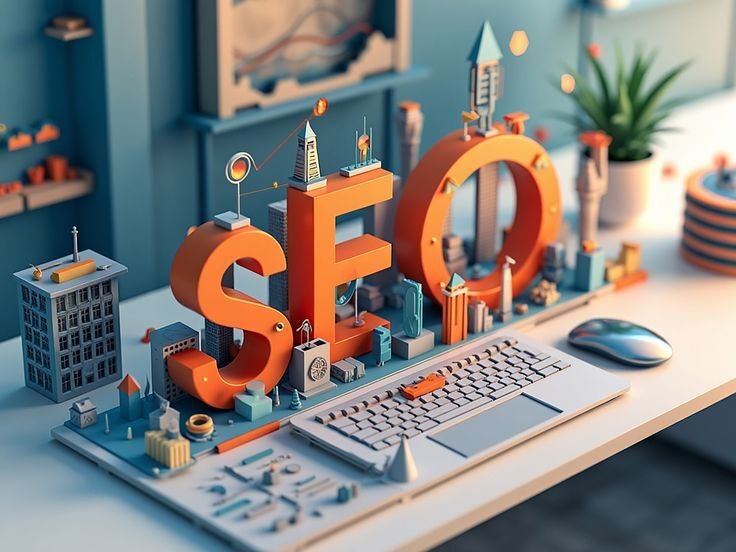

Local SEO in 2025 isn’t about hacking an algorithm. It’s about being the most credible, visible, fast and trustworthy option in your market and making sure every search engine and every potential client can see that clearly.
The businesses dominating Bangalore’s local search right now aren’t just ranking. They’re building a Trust Graph that compounds making every month easier than the last and every algorithm update less scary.
The window to get ahead is open.
The question is whether you move before your competitors do.

In today’s interconnected world, health challenges are global—and so are the solutions. The Global Health Connect Podcast explores the intersection of global healthcare and innovative partnerships. Join us as we uncover the stories.